From Evidence to Story: Research-Backed Video

Insights · Evidence & communication

Getting a product, program, or organization in front of the right decision-makers is often not a marketing problem — it is an evidence problem. Procurement committees, funders, and program officers are not waiting to be persuaded by a brand video. They are looking for proof that holds up under scrutiny. The organizations that earn trust in high-stakes decisions are rarely the ones with the best marketing; they are the ones with the strongest evidence behind it.

In short

The gap between evidence and story is where most communication breaks down. Research findings are accurate but buried in a PDF no decision-maker reads in full; video is engaging but built on brand claims, so it holds up with warm audiences and falls apart with skeptical ones.

Closing that gap is what LXD Research and Charles River Media do together. LXD Research produces independent, third-party evaluation; the production team turns those verified findings into content the right decision-maker will actually watch, understand, and act on.

Best suited for organizations that need credible evidence and the communication to move procurement, funding, institutional, and partnership decisions.
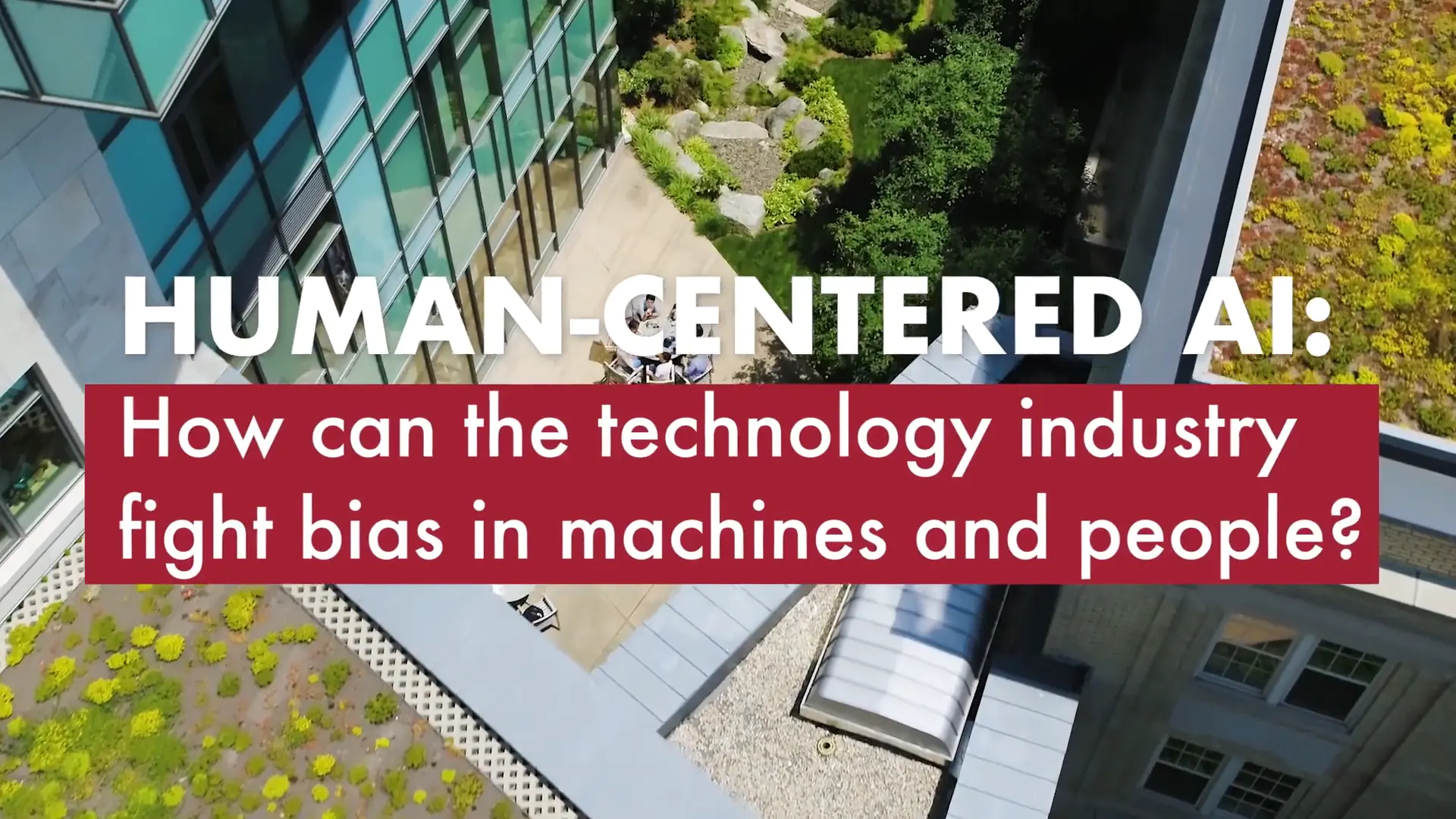
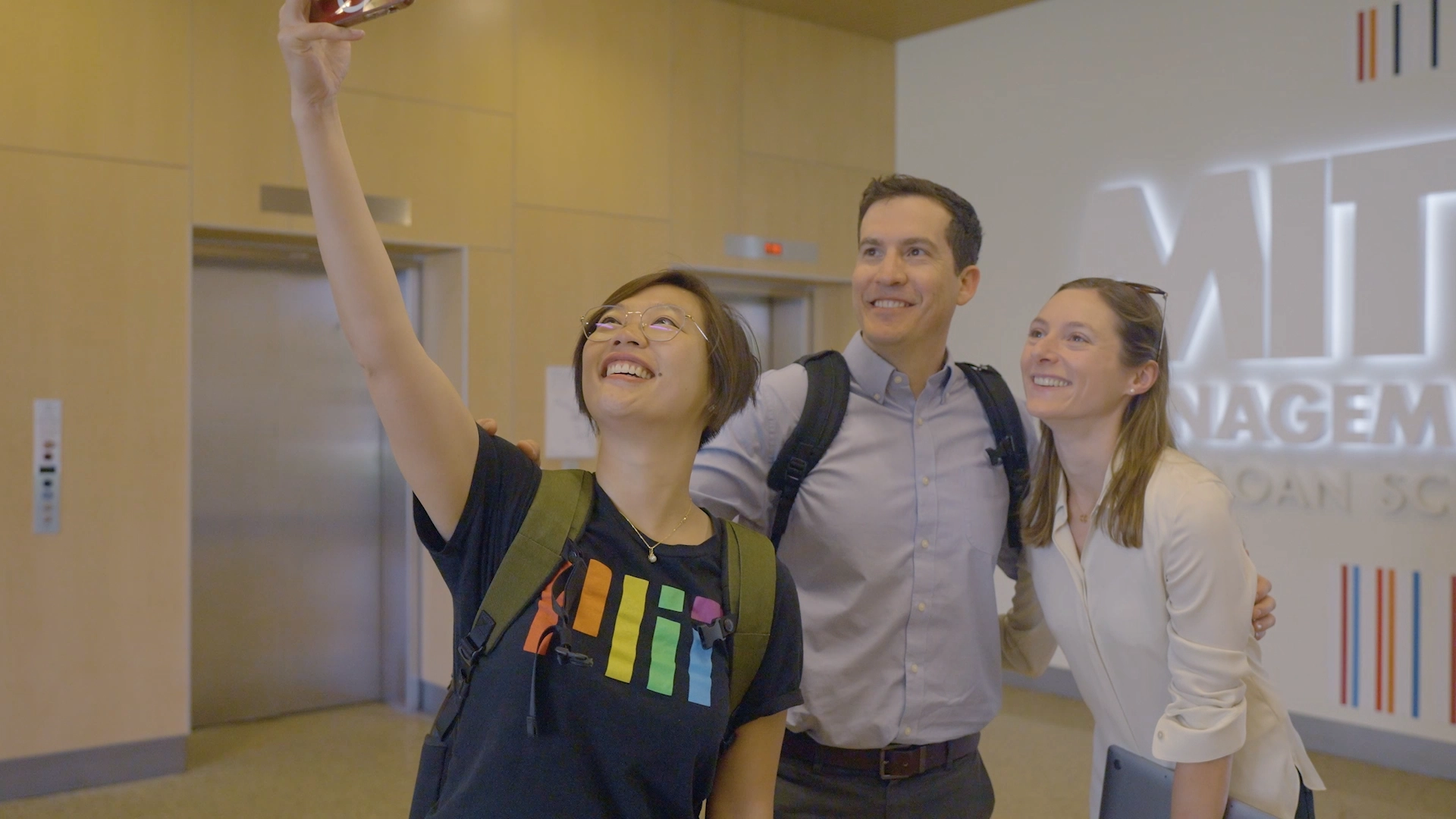
Evidence-based video production for an expert research series in Boston
The core problem

The evidence–story gap

Two failure modes, one root cause. Most organizations solve for one side and leave the other broken — which is exactly why skeptical audiences remain unconvinced.

Research that no one reads

The product performs and the data proves it, but the findings sit in a forty-page report a decision-maker will never open in full. The evidence exists; it just never reaches the decision.

Video that can’t hold up

Production can make almost anything compelling — but without grounded evidence, the content is only as credible as the brand saying it. With skeptical audiences, that is a hard ceiling.

Skeptical audiences — procurement committees, program officers, board members — are exactly the ones that matter most in high-stakes decisions. When research and production share a pipeline, the research team designs findings to be communicable, and the production team builds narrative from verified evidence rather than marketing copy.

The evidence

What LXD Research does

LXD stands for Learning Experience Design. Founded by Dr. Rachel Schechter, a learning scientist, the division provides independent, third-party evaluation — the kind that carries weight precisely because it comes from outside the organization making the claim.

In education, for example, that means efficacy studies aligned to ESSA evidence tiers — the federal framework schools and districts use to evaluate what they adopt. But the same principle applies anywhere an organization needs credible, defensible proof: a procurement decision, a grant application, or an institutional partnership. When a product can point to independent research, it enters the conversation in a fundamentally different position than one that cannot.

Common LXD Research outputs, scoped to the specific evidence need:

  • Efficacy studies. Measure whether a product produces the learning or performance outcomes it claims.
  • Needs assessments. Evaluate whether a product, program, or organization addresses a documented gap.
  • Logic models. Map the relationship between design, implementation, and measurable outcomes.
  • Evidence reports. Structured for procurement conversations, grant applications, and institutional review.
  • Usability research. Identify friction in how people actually interact with a product.

This is research designed to be used, not filed. The most common failure is not bad methodology — it is findings that never reach the audience that needs them.

The story

What production does with the research

A forty-page report is a source document, not a communication tool. The production job is to give verified findings the format, pacing, and visual language that makes them land with the audience that has to act — a curriculum director, a superintendent, a program officer, an institutional leader.
Post-production editing turning a research report into a finished video
FormatBest use case
Research Recap videoTranslating research findings into a short, accessible video for procurement and decision-making audiences
Explainer / product overviewCommunicating how a product works and why the evidence supports its outcomes
Researcher / PI interviewLending independent academic credibility to findings through the evaluator’s voice
Live-streamed event / webcastReal-time engagement with educators, funders, or procurement committees
Conference & event coverageCapturing and extending the reach of research presentations and product showcases

The common thread: the production is only as strong as the underlying evidence, and the evidence is only as useful as the communication built around it.

Why the pipeline matters

Three things change when research and production align

Most organizations commission research and video separately, from different vendors, at different points in the product cycle. That separation is predictable and costly. Sharing a pipeline changes the outcome.

01 Accurate from the start

No gap between what the research found and what the video says. The production team works from verified findings, not brand claims.

02 Findings reach people

A Research Recap communicates a study’s core results to administrators and funders who would never engage with the full report.

03 Each side reinforces

Third-party research behind a video signals the organization takes evidence seriously; strong production behind a report signals the findings are worth understanding.

Research and storytelling are not in tension. The most durable stories are true ones, and the most useful research is the kind that gets told — LXD Research produces findings worth communicating, and Charles River Media produces communication worth trusting.

In practice

The pipeline, from evidence to distribution

This is not a handoff, where research finishes and production begins. Both teams work toward the end goal from the start: the research is designed to be communicable, the production is designed to be accurate.
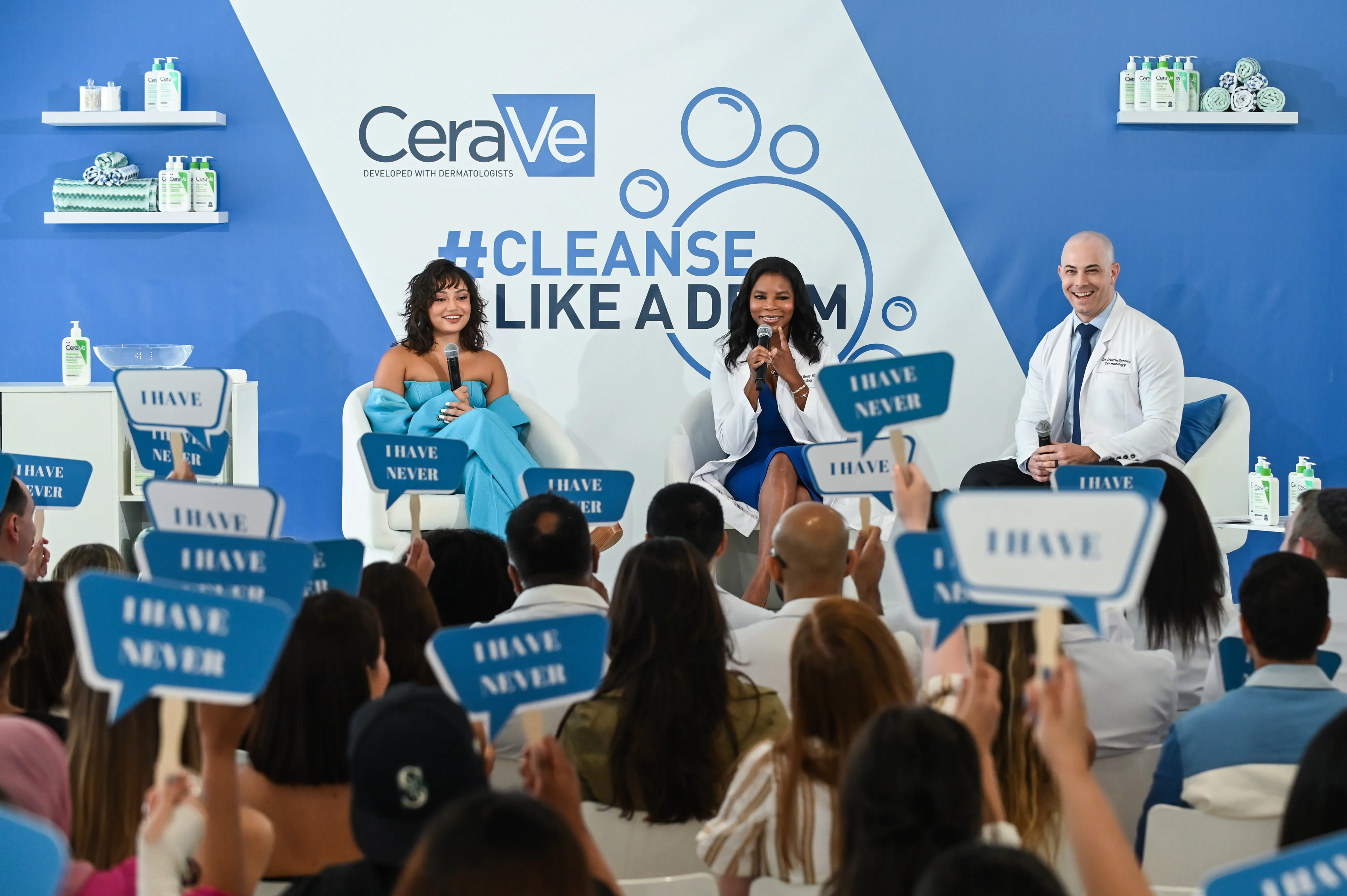
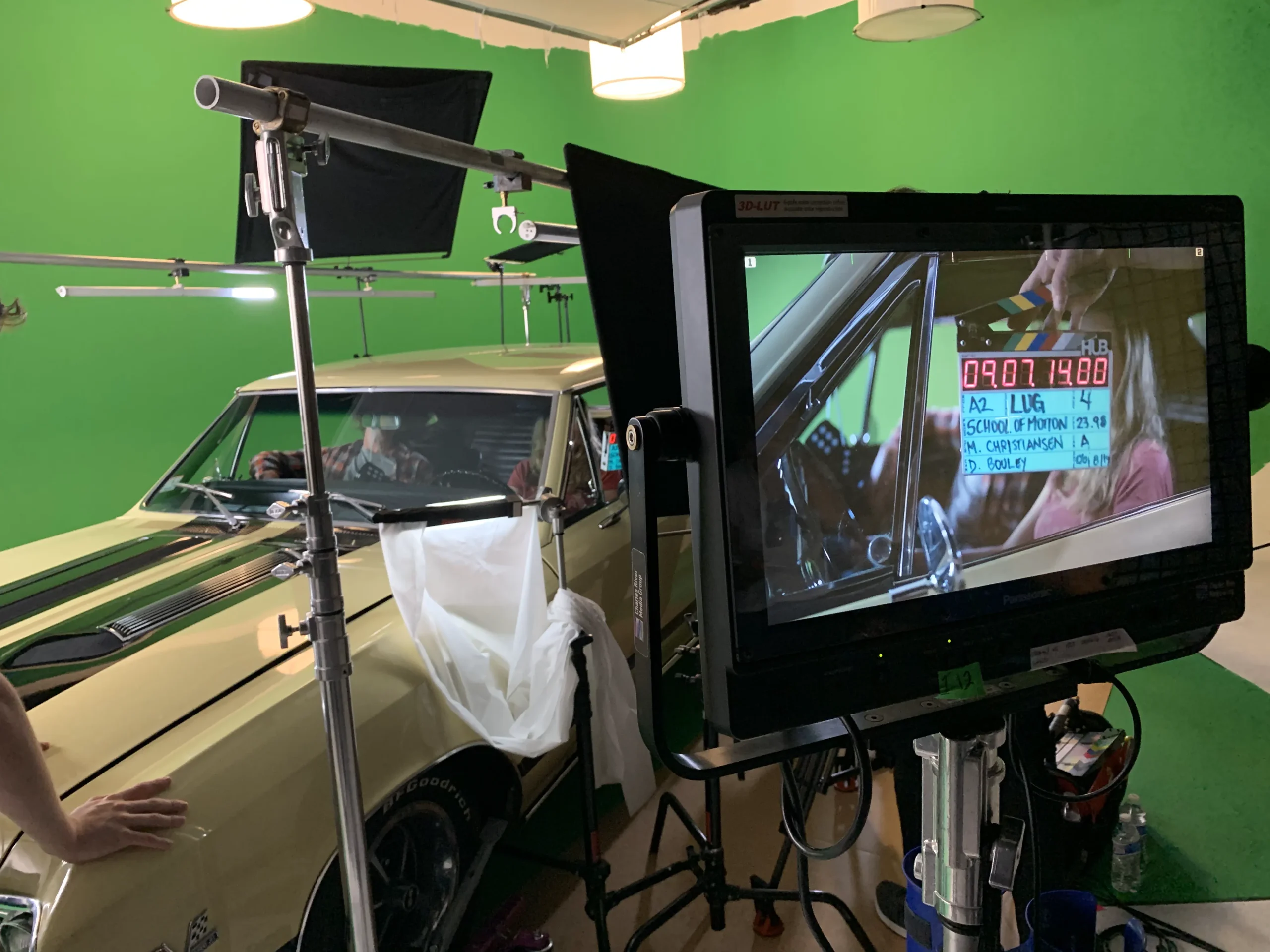
Professional studio and live production for an evidence-based video
STEP 01

Discovery

Define research questions, the right level of evidence, and study methodology.

STEP 02

Research

Data collection, analysis, and findings, with rigor and independence built in.

STEP 03

Communication plan

Both teams choose the key findings, audiences, and formats.

STEP 04

Production

Build the format and narrative from verified findings, and produce the deliverable.

STEP 05

Distribution

Report for institutional review; video for the procurement conversation.

The Research Recap

The clearest example of what the pipeline produces. An organization completes an efficacy study through LXD Research — measurable gains, strong implementation data, outcomes that hold up to independent scrutiny — but the study is forty pages, written for researchers. The Research Recap turns it into a short, professionally filmed video, typically three to five minutes, that communicates the core results in plain language. Not a slide deck, not a testimonial: a structured, evidence-grounded narrative a decision-maker can watch in one sitting and act on.

Who it is for

Where the combined model fits

The starting point does not have to be both divisions at once. Many engagements begin with research and add production once findings are in hand; others begin with production and add research-backed credibility along the way.

01 Preparing for procurement

District and institutional decisions increasingly require independent, third-party evidence. LXD Research builds the foundation; Charles River Media communicates it to the decision-makers who matter.

02 Research, no strategy

You already have efficacy studies, but they sit in a report no one outside the research team has read. The problem is not the research — it is the communication.

03 Already work with one

Current production clients can extend into research-backed credibility; existing research clients can turn findings into content that reaches the right people.

Go deeper

Where to go next

Related pages for organizations working through an evidence and communication challenge.

FAQ

Evidence and video questions, answered

What is LXD Research?
LXD Research, a division of Charles River Media, provides independent, third-party evaluation of products, programs, and organizations. LXD stands for Learning Experience Design. Its work includes efficacy studies, needs assessments, logic models, evidence reports, and usability research designed to hold up to institutional and procurement scrutiny.
What kinds of research support product and funding decisions?
Common outputs include efficacy studies that measure whether a product produces the outcomes it claims, needs assessments that check whether it addresses a documented gap, logic models that map design to measurable outcomes, evidence reports structured for procurement and grant review, and usability research on how people actually use a product. Each is scoped to the specific evidence a decision requires.
What is a Research Recap video?
A Research Recap is a short, professionally produced video, typically three to five minutes, that translates the findings of an efficacy study into plain language for the people making procurement decisions. It is not a marketing testimonial or a slide deck, but a structured, evidence-grounded narrative that a decision-maker can watch in a single sitting and understand what a product does and why the evidence supports it.
How do research and video production work together for EdTech?
Research and production work best as a single pipeline rather than separate vendors. LXD Research designs studies to be communicable from the start, and the Charles River Media production team builds the narrative from verified findings rather than marketing claims. The result is content that holds up under scrutiny while still being clear enough to move a decision, deployed alongside the full research report.
Who is the LXD Research and Charles River Media model for?
The combined model is most useful for organizations preparing for district or institutional procurement that requires independent evidence, organizations that already have research but no strategy to communicate it, and organizations that already work with one division and want to extend into the other. Engagements can begin with research or with production.
Why does third-party evidence matter in procurement decisions?
Procurement and funding decisions increasingly require credible evidence, and that evidence carries more weight when it comes from an independent third party rather than the organization making the claim. Independent evaluation lets a product or program enter the conversation as verified rather than as a vendor claim, which matters most with the skeptical audiences that drive high-stakes decisions.

Higher Education Video Strategy: Why You Need Both Flagship Production and Student-Created Content

Insights · Higher education video

The debate that keeps surfacing inside higher-ed marketing teams — polished flagship production or raw student-created content — is framed the wrong way. The institutions pulling ahead in enrollment are not choosing one. They run both, deliberately, with each format assigned a specific job in the funnel. The real question is not which one, but which one does which job.

In short

Flagship production and student-created content do different jobs, and the strongest programs run both. Professionally produced films build trust and credibility at the consideration and decision stages; student-created short-form video drives authentic discovery at the awareness stage.

Treating them as competing options is the core mistake. Treated as an orchestrated system — flagship assets anchoring the calendar, student creators filling the frequency gap, live events bridging both — they compound rather than compete.

Best suited for higher-education marketing, admissions, and communications teams deciding where to invest limited video budget across enrollment, brand, and reputation goals.

The shift

The numbers behind the change

Before the strategy, the behavioral shift among prospective students. According to higher-education video marketing research, the direction in 2026 is unambiguous.

84%

Video influences the decision

Prospective students say video plays a significant role in where they choose to enroll.

90%+

Short-form is the default

Gen Z and Millennials regularly consume short-form video on TikTok, Reels, and Shorts.

Most

Prefer video to print

The majority prefer video over traditional brochures, and take and value virtual campus tours.

Prospective students are not in one place. They discover institutions across YouTube research, social short-form, and AI-surfaced video simultaneously — each surface with different content expectations. A 90-second produced campus film and a 30-second phone-shot dorm tour serve different moments. Both are necessary; neither replaces the other.

Flagship production

What professional production actually does

Flagship production is not about prestige. It is about trust at scale — assets that hold up across every channel and time horizon, and that control the narrative at high-stakes moments.

Asset typeWhy production quality matters
Campus overview filmsFirst impression for families; embedded on homepages and sent by admissions
Program explainersClarity and credibility for departments; drives yield among serious candidates
Commencement & live eventsMulti-camera, broadcast-quality coverage that lives permanently in the brand archive
Alumni & donor storytellingHigh emotional stakes; poor production undermines the story
Virtual campus toursUsed at the decision stage; the large majority who take them find them useful

These are evergreen. A well-produced program explainer can serve an admissions team for three to five years, amortized across thousands of touchpoints. The mistake to avoid: treating flagship as the only video you need, then wondering why the social channels feel lifeless.

Student-created content

What student content actually does

Student content solves a problem no budget can fix: it is inherently credible to the people you most need to reach. Prospective students are trying to answer one question — “could I see myself here?” — and a peer answers it faster than any brand message. One analysis found student testimonial content generated over three times the engagement of professionally produced institutional video.

  • TikTok & Instagram Reels. Short-form, vertical, unscripted day-in-the-life and Q&A. Under 90 seconds is a strategic requirement, not a compromise.
  • YouTube Shorts. Discovery-layer content surfacing on peer searches like “[university] dorm tour” — not admissions-office productions.
  • Instagram Stories. Behind-the-scenes moments that keep you present during the long window between campus visit and decision.
  • Admissions email. A short, informal student video can outperform a polished department overview at the yield stage.

Authenticity does not mean absence of strategy. The best student content is guided without being scripted — hand students a camera and walk away and results are inconsistent; give clear briefs, consent frameworks, and light oversight and the content stays human and consistent.

The framework

Mapping format to funnel stage

Each stage has a different job, a different audience mindset, and a different content need. Your budget should roughly follow this logic.

Funnel stageStudent mindsetBest-fit formatsProduction priority
AwarenessForming a sense of what kind of school they want; not yet comparingShort-form student video (TikTok, Reels, Shorts); campus takeovers and live Q&ALow — authenticity over polish
ConsiderationOn their list; researching with serious intentCampus overview films, program explainers, virtual tours, live-streamed open housesHigh — polish signals quality
Decision & yieldNarrowed the list; looking for confirmationStudent testimonials, program-specific stories, personal faculty videos in yield emailsHybrid — peer voices, lightly produced

Invest in flagship production for the consideration and decision stages; build a student creator program to sustain the awareness layer without production spend every time you post.

Governance

Building a student creator program that works

This is where institutions succeed or stumble. Too much control produces a press release with a student’s face on it; too little produces inconsistent, off-brand, or non-compliant content. The model that works sits between the extremes.

01 Brief, not script

Give a topic, platform, target length, and key messages — not a word-for-word script. The moment it sounds scripted, it loses the credibility that makes it valuable.

02 Consent & privacy

Signed media releases for anyone appearing, and a review step for content involving other students or sensitive topics. This is the legal and ethical foundation, not friction.

03 Light editorial review

A quick check for accuracy, brand alignment, and compliance — minutes, not days. If approval takes a week, creators stop creating.

04 Compensation or recognition

Stipends, course credit, portfolio opportunities, or ambassador titles. Treating student content as free labor burns out creators quickly.

Brief creators by platform, not just by topic. Content made natively for TikTok — vertical, with a hook in the first two seconds — underperforms when cross-posted uniformly to YouTube or an admissions email.

The system

The orchestration mindset

The institutions getting this right are not thinking in individual assets. They think of video as a coordinated system where each format plays a complementary role across the calendar.

Flagship anchors the calendar

Commencement, open houses, program launches, facility openings — the moments that justify professional production and generate evergreen assets everything else references.

Student content fills the gap

A production cycle can’t sustain daily or weekly social publishing. Student creators supply timely, platform-native, credible content that keeps you present.

Live events bridge both

A professionally produced live stream of an open house delivers flagship credibility while capturing real-time, authentic moments — and long-tail content for months.

The question for marketing leaders is not “should we produce more video?” It is “do we have a system, or just a series of projects?”

Getting started

Where to start

For most teams the path is not an overhaul but a sequenced build, depending on what you already have.

  • Have flagship, no creator program? Start there. Identify three to five students already active on social, build a brief template and consent framework, and run a pilot semester against your institutional content.
  • Have informal student content, no flagship strategy? Audit what exists. Most institutions have more usable footage — past events, commencements, departmental shoots — than they realize, ready to repurpose.
  • Starting from scratch? Produce your two or three most critical evergreen assets first (campus overview, top program explainers), then build the creator program in parallel.
  • In every case, measure. Let engagement data against your own content drive the next decision, rather than platform-follower vanity metrics.

Charles River Media has produced flagship content and live events for higher-education institutions across the Boston area — including the MIT Sloan Experts series webcast, thought-leadership work for Harvard Business School, and graduation ceremonies streamed to families worldwide for Tufts University. The pattern is consistent: the institutions that get the most from video are not the ones with the biggest budgets, but the ones that know what each asset is for.

Go deeper

Where to go next

Related pages for higher-education teams building a video program.

FAQ

Higher education video questions, answered

Should higher education marketing invest in professional video or student-created content?
The most effective approach is not choosing one over the other, but running both with each assigned a specific job. Professionally produced flagship content builds trust and credibility at the consideration and decision stages, while student-created short-form content drives authentic discovery at the awareness stage. Institutions that treat them as complementary, rather than competing, consistently outperform.
What video content works best for enrollment marketing?
It depends on the funnel stage. At the awareness stage, short-form student-created video on TikTok, Instagram Reels, and YouTube Shorts performs best because it feels authentic. At the consideration stage, professionally produced campus overviews, program explainers, and virtual tours signal institutional quality. At the decision stage, lightly produced student testimonials provide peer validation. Matching format to stage matters more than choosing a single style.
What is flagship video production in higher education?
Flagship video production is professionally produced, evergreen content such as campus overview films, program explainers, virtual campus tours, commencement coverage, and alumni or donor storytelling. These assets create trust at scale and hold up across every channel for years, which is why they anchor consideration-stage and decision-stage experiences.
How do you build a student creator program for a university?
Build a governance model between too much control and too little. Give student creators a brief rather than a script, put a clear consent and privacy framework in place, add a light and fast editorial review for accuracy and brand alignment, and offer compensation or recognition such as stipends, course credit, or ambassador titles. Brief creators by platform, not just by topic, since platform-native content outperforms uniform cross-posting.
How should universities match video to the enrollment funnel?
Awareness-stage prospects respond to authentic, platform-native short-form video, usually student-created, so production priority is low. Consideration-stage prospects research with intent, so professionally produced campus tours and program explainers matter and production priority is high. Decision-stage prospects look for peer validation, so lightly produced student testimonials and personal faculty videos are most effective.
Where should a higher education team start with video strategy?
Start from where you are. If you have flagship production but no creator program, pilot one with three to five active students. If you have informal student content but no flagship strategy, audit existing footage and identify what to repurpose or produce. If you are starting from scratch, produce your two or three most critical evergreen assets first, then build the student creator program in parallel.

Investor Relations Video Production: How to Build a Program That Earns Institutional Trust

Insights · Investor relations video

A poorly produced earnings webcast doesn’t just look bad — it makes analysts wonder what else is being managed carelessly. Investor relations video is one of the few corporate formats where production quality is read as a proxy for operational competence, which is why the companies that treat it as a strategic annual program consistently outperform on institutional trust.

In short

Investor relations video production covers the earnings webcasts, investor day presentations, annual report videos, and executive updates a company uses to reach analysts, institutional investors, and shareholders. Unlike marketing video, it operates under securities disclosure rules — so compliance, approvals, and reliable live delivery matter as much as craft.

The organizations that earn institutional trust treat IR video as a tiered annual program, not reactive one-off events — anchored by a compliance workflow built before filming, executive coaching, redundant live-webcast infrastructure, and a distribution plan that turns each production day into a quarter of content.

Best suited for public companies, IPO-stage companies, and investor relations, corporate communications, and finance teams building or upgrading a repeatable IR video program.

The program

The four tiers of investor relations video

Most IR teams think in terms of events, which leads to reactive production and inconsistent quality. A tiered program is clearer: each format serves a distinct audience at a distinct stage of the investor relationship.

TierFormatsWhat it is for
Tier 1 — FlagshipAnnual report video, investor day mainstage, capital markets dayDefines the year’s narrative. Cinematic values; watched closely and often more than once.
Tier 2 — Quarterly cadenceEarnings videos, CFO supplements, business updatesDependably professional every 90 days. Per-asset budgets typically run $8,000–$25,000.
Tier 3 — Topical / reactiveAnalyst questions, competitive or regulatory developments, announcementsCompressed window, high stakes. Needs a standing production relationship already in place.
Tier 4 — Always-on educationalShareholder education, business-model explainers, segment deep divesThe first thing new investors encounter on your IR site — and the most frequently neglected.

Tiers 1 and 2 are calendar-driven and plannable. Tiers 3 and 4 require infrastructure to be in place before the need arises — which is why teams that only plan for the first two are caught flat-footed when a material event demands a fast video response.

Before the camera turns on

Build the compliance architecture first

This is the step most production conversations skip, and the one that creates the most expensive problems later. IR video operates under a compliance framework marketing video does not.

Regulation FD requires that material nonpublic information disclosed to one audience be made broadly available to all investors — simultaneously for intentional disclosures. A webcast that goes live before the replay is reachable, or an executive who reveals guidance not yet in a public filing, is not just a production problem; it is a regulatory one. Before a script is written, define what can be said on camera, how forward-looking safe-harbor language appears in the recording, how non-GAAP measures are reconciled, and who approves each video and in what order.

Review stageParticipantsPrimary concern
IR team reviewIR officer, communications leadMessage accuracy, narrative consistency
Legal reviewGeneral counsel, IR counselReg FD, forward-looking statements, non-GAAP
Regulatory affairsCompliance officerSector-specific disclosure requirements
Executive reviewCEO, CFOTone, accuracy, final approval
Audit committee (selective)Board membersHigh-stakes annual or strategic disclosures

Build two to three rounds of legal and IR review into every timeline. A vendor who treats this as optional is a compliance risk, not just a scheduling inconvenience.

The highest-leverage investment

Prepare the executive, not just the set

Most CEOs and CFOs are not trained on-camera talent, and investors can tell within ten seconds. Appearing credible on camera is a learned skill — and the single biggest quality lever in IR video is coaching, not equipment.

01 Message command

Know the three to five core messages cold and deliver them conversationally. Memorized scripts sound memorized.

02 Camera presence

Eye contact, pacing, filler language, and pauses — all coachable in a single session with monitor playback.

03 Disclosure boundaries

Every spokesperson should know exactly what has and has not been publicly disclosed before walking into the studio.

04 Q&A rehearsal

Rehearse the ten most likely analyst questions and agree on tight, consistent answers across quarters.

Institutional investors are not watching for polish. They are scanning for three signals:

Confidence

Does this executive believe what they are saying?

Consistency

Does the narrative match the filed report and prior quarter?

Specificity

Concrete answers, or vague language that deflects?

Live webcast infrastructure

Engineer for boring reliability

IR teams are judged on what investors experience, not the reasons behind a technical failure. The goal of a live webcast is to be invisible — a clean, uninterrupted experience — which requires redundancy at every layer.

  • Redundant connectivity. Hardline primary plus bonded cellular or a second ISP as failover.
  • Redundant audio. Studio microphone plus a backup feed with separate monitoring.
  • Redundant encoding. Primary and backup encoders with a defined switching protocol.
  • A failover runbook. A written plan for who does what in the first 60 seconds of a failure.
  • Dedicated human crew. An audio engineer, a moderator, and a director so executives only present.
  • Accessible replay. Professional captioning and a fast, mobile-friendly replay reachable in two clicks.

The replay is a compliance asset, not just a convenience — Reg FD depends on broad public dissemination, so a buried or slow replay page creates real disclosure risk.

The production calendar

How the timeline works

The video plan flows from the IR calendar, not the other way around. Lock the fiscal-year dates first, then work backward from each event.

STEP 01

Lock the calendar

Earnings dates, investor day, AGM, ESG release, known announcement windows.

STEP 02

Film 4–6 weeks out

Shoot well ahead of each event to protect review buffer.

STEP 03

Legal & IR review

Two to three rounds in weeks 2–3, against the guardrail document.

STEP 04

Executive sign-off

Final tone and accuracy approval from the CEO and CFO.

STEP 05

Deliver early

Final files about one week before the go-live date.

Distribution

Turn one production day into a quarter of content

The most common waste in IR video is treating each event as a single-use asset. Planned correctly, one CEO or CFO filming day yields a library that distributes for weeks.

AssetFormatDistribution channel
Full earnings video5–15 min, 16:9IR website, investor mailing list
Highlight reel90 sec, 16:9IR homepage, earnings recap email
Executive LinkedIn clip60–90 sec, squareExecutive and company LinkedIn
On-demand replayFull lengthReplay portal, YouTube archive
TranscriptTextIR site, press release supplement

Keep annual report highlight reels under three minutes and capital-raise pitch videos to three to five — institutional attention drops off well before that on longer cuts.

Choosing a partner

What to look for in an IR video partner

Not every production company is equipped for the IR environment: tighter timelines, higher compliance stakes, executives who are not professional talent, and audiences looking for reasons to doubt. These questions reveal who has done the work.

01 Compliance workflow

“Here is our standard approval workflow and how it maps to your timeline” — not “we can accommodate that.”

02 Failover protocol

A written runbook for live events. Without one, they are improvising during a regulated broadcast.

03 Executive preparation

A structured coaching step — not treated as optional — because it is the highest-leverage investment.

04 Deliverables per day

A full asset library from one filming day, not a single video, which lowers cost per asset.

05 Regulated track record

Demonstrated experience in executive and high-stakes communications, not just general commercial work.

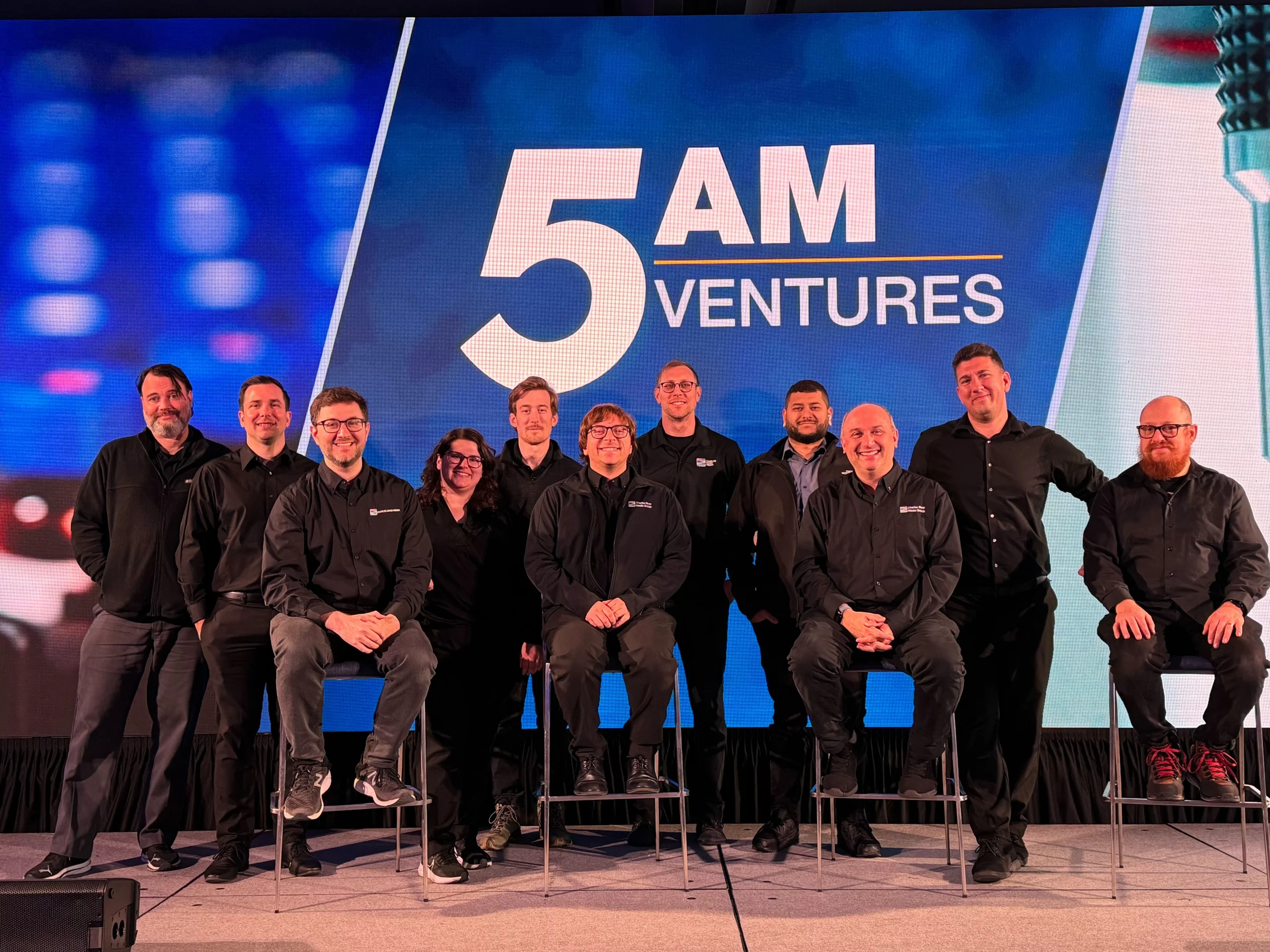
Charles River Media has produced executive communications, investor meetings, and live-streamed events for firms including 5AM Ventures, Summit Partners, and Goodwin — combining a compliance-aware process, redundant live production, and multi-asset delivery under one team.

Go deeper

Where to go next

Related pages for teams building or upgrading an investor relations video program.

FAQ

Investor relations video questions, answered

What is investor relations video production?
Investor relations video production is the creation of video content aimed at investors, analysts, and shareholders, including earnings webcasts, investor day presentations, annual report videos, and executive updates. Unlike marketing video, it operates under securities disclosure rules such as Regulation FD, so accuracy, approval workflows, and reliable live delivery matter as much as production quality.
How should a company structure its investor relations video program?
The most effective approach treats IR video as a tiered annual program rather than a series of one-off events. Flagship productions such as investor day and annual report videos anchor the year, quarterly earnings videos provide a reliable cadence, topical videos respond to specific developments, and always-on educational content explains the business to new investors. Planning the full calendar 12 months ahead keeps quality consistent and avoids last-minute scrambles.
What compliance rules apply to investor relations video?
Public company IR video is governed by securities disclosure rules, most importantly Regulation FD, which requires that material nonpublic information be disclosed broadly to all investors rather than selectively. In practice this means safe harbor language for forward-looking statements must appear in the recording, non-GAAP measures must be reconciled, and every video needs legal and regulatory review before release. Building two to three rounds of review into each timeline is standard.
How far in advance should investor relations videos be filmed?
For earnings and shareholder meeting videos, filming four to six weeks before the event date is a practical standard. That window leaves room for two to three rounds of IR, legal, and executive review, with final delivery about one week before go-live. Compressing this timeline is the most common cause of compliance and quality problems.
What makes an executive credible on camera in an earnings video?
Institutional investors are scanning for three signals: confidence that the executive believes what they are saying, consistency between the remarks and the filed reports and prior quarters, and specificity rather than vague deflection. The biggest quality lever is not equipment but preparation. A short coaching session on message command, camera presence, and disclosure boundaries before filming produces a materially more credible result.
What should you look for in an investor relations video production partner?
Look for a partner with a defined legal and compliance review workflow, a written failover plan for live webcasts, a structured approach to executive preparation, and a track record in regulated or high-stakes communications. A strong partner also plans each filming day to produce a full library of assets rather than a single video, which lowers the cost per asset across the program.

How Charles River Media Manages Client Communication

At Charles River Media, every project begins with a question: what does success look like for you? The answer shapes everything, from crew selection and shoot logistics to how often we check in and what we report on. Over more than two decades producing video, live events, and digital content for organizations like Harvard Business School, Adobe, and New Balance, we have refined a communication framework that keeps clients informed, protected from surprises, and confident at every stage.

This guide outlines the standard protocols and update cadence clients can expect across each phase of a Charles River Media project. Consider it a roadmap for how we work together.

In Short: Every project gets a named project manager from kickoff through delivery. Written status updates go out weekly during pre-production and in real time during production. Post-production follows a three-round review cycle. No scope changes are executed without written authorization. Raw footage is retained for 12 months post-delivery. Response time for general questions: one business day; urgent on-set issues: one hour.

Phase 1: Discovery and Kickoff

The kickoff phase sets the tone for everything that follows. Before a single camera is scheduled or a script is drafted, we invest time in understanding your goals, your audience, and your constraints.

What Happens in This Phase

  • Kickoff call or meeting: We schedule a dedicated session (typically 60 to 90 minutes) with your core stakeholders and our project lead. This is where we align on objectives, timelines, budget parameters, and creative direction.

  • Project brief documentation: Following the kickoff, we produce a written project brief summarizing all agreed-upon goals, deliverables, and scope. You receive this within 48 hours of the kickoff meeting for your review and sign-off.

  • Point-of-contact assignment: You are introduced to your dedicated Charles River Media project manager, who serves as your primary contact from this point forward.

Communication Cadence

Activity

Timing

Format

Kickoff meeting

Within the first week of engagement

Video call or in-person

Project brief delivery

Within 48 hours post-kickoff

Written document via email

Scope confirmation

Before any work begins

Email sign-off

Why this matters: Misaligned expectations at the start of a project are the single most common cause of delays and cost overruns in production. Our written brief process creates a shared source of truth that every team member, on both sides, works from.

Phase 2: Pre-Production

Pre-production is where strategy becomes execution. This phase covers everything from location scouting and talent coordination to scripting, storyboarding, and technical planning. It is also the phase where the most client input is required, which is why our communication is most intensive here.

What Happens in This Phase

Communication Cadence

Weekly status updates are the backbone of pre-production communication. Every week, your project manager sends a written status report covering:

  1. Tasks completed since the last update

  2. Items pending client input or approval

  3. Upcoming milestones and deadlines

  4. Any open risks or decisions that need resolution

For projects with compressed timelines (such as live events with a fixed date), updates may shift to twice weekly as the production date approaches.

Review and Approval Windows

We build structured review windows into the pre-production schedule. When a script, storyboard, or location plan is submitted for your review, you will receive:

  • A clear description of what is being reviewed and why it matters

  • A specific feedback deadline (typically 48 to 72 hours)

  • A follow-up from your project manager if feedback has not been received by the deadline

On feedback deadlines: We ask that clients respect review windows not to be rigid, but because downstream crew bookings, location holds, and equipment reservations are often tied to approval timelines. A two-day delay in script approval can cascade into a week-long schedule shift.

Escalation Protocol

If a decision requires input from stakeholders beyond your day-to-day contact, flag this during kickoff. We will build approval lead times into the schedule accordingly and will never proceed on a deliverable without documented sign-off.

Phase 3: Production

Production day is where preparation pays off. Whether we are shooting a corporate documentary at your headquarters, streaming a live investor meeting, or capturing a multi-day event, the on-set environment is managed by our production team so you can focus on your role, not ours.

Your Role on Production Day

Clients are always welcome on set or at the event venue. We encourage it. That said, we ask that all creative direction and real-time change requests be routed through your designated on-set client liaison or our production lead, rather than directly to crew members. This keeps the set running efficiently and ensures every request is logged and considered against the production schedule.

Real-Time Communication

For live events and same-day streaming productions, communication protocols shift to real-time:

  • Pre-show briefing: A 30-minute walkthrough with your team and ours before any live production begins, covering the run of show, contingency plans, and communication channels for the day

  • On-site point of contact: Our production lead carries a dedicated channel (typically a production radio or group text) for immediate communication with your team

  • Live stream monitoring: For webcasts and hybrid events, our technical director monitors stream health in real time and communicates any issues to you immediately, before they affect your audience

What We Document on Production Day

Every production generates a report, delivered to your inbox. This includes:

  • Total footage captured

  • Any on-set changes

  • Notes on talent performance, location conditions, or technical observations

  • Confirmed next steps for post-production

The practical value of this: If a question arises weeks later about what was shot, what was changed, or why a particular decision was made on set, the wrap report is the record. We have found that clients working on projects with multiple stakeholders or legal review requirements find this documentation especially valuable.

Phase 4: Post-Production

Post-production is often where client anxiety peaks, because the work happens largely out of view. Footage goes in, and at some point a cut comes out. At Charles River Media, we treat post-production as a collaborative process with structured visibility, not a black box.

Frame.io video review platform used by Charles River Media for structured post-production client feedback

The Review Cycle

Our standard post-production workflow uses a tiered review structure:

Review Round

What You Receive

What We Need Back

Rough Cut (v1)

An assembly edit showing structure and pacing, with temp music and placeholder graphics

High-level directional notes on structure and content

Refined Cut (v2)

Addressed notes from v1; color, audio, and graphics near final

Specific, consolidated feedback from all stakeholders

Final Cut (v3)

All v2 notes addressed; ready for approval

Written sign-off to release for delivery

A note on consolidated feedback: We ask that all stakeholder notes be compiled into a single document or put in frame.io before submission. Receiving fragmented feedback from multiple individuals at different times creates version conflicts and delays. Your project manager will remind you of this before each review round.

Communication Cadence in Post

  • Edit delivery notifications: You receive an email with a secure review link the moment each cut is ready, along with a brief description of what changed from the previous version.

  • Feedback deadline reminders: Your project manager follows up 24 hours before each feedback deadline to ensure your team is on track.

  • Status check-ins: For longer post-production timelines (three weeks or more), we send a brief mid-phase update confirming progress and flagging any timeline adjustments.

Handling Scope Changes in Post

If new footage, additional graphics, or revised content is requested that falls outside the original project scope, we will notify you in writing before any additional work begins. You will receive a clear description of the change, the estimated time and cost impact, and a formal change order for approval. No out-of-scope work is executed without written authorization.

Industry context: According to Clutch’s research on creative agency client satisfaction, clear communication and defined revision processes are among the top factors clients cite when rating agency relationships. Our structured review cycle is a direct response to the most common friction point in production partnerships.

Phase 5: Delivery and Project Wrap

Final delivery is not the end of the relationship; it is the conclusion of one chapter. We approach the wrap phase with the same attention to detail as the kickoff, ensuring nothing is left ambiguous and everything is properly handed off.

What Final Delivery Includes

Upon written sign-off on the final cut, you receive:

  • Master files in your specified format and resolution (H.264, ProRes, or broadcast spec, depending on distribution needs)

  • Derivative assets as outlined in the project scope (social cuts, chapter markers, thumbnail files, subtitle files, etc.)

  • Archive access confirmation, detailing where raw footage and project files are stored and for how long

Project Wrap Communication

  • Delivery confirmation email: Sent at the time of file transfer, with a checklist of every deliverable included

  • Project recap document: A one-page summary of the project, covering original scope, any approved changes, final deliverables, and key contacts for future reference

  • Asset retention notice: We retain raw footage and project files for a standard period of 12 months post-delivery. If you anticipate needing access beyond that window, notify us at wrap so we can make appropriate arrangements.

Post-Project Support

If questions arise after delivery, your project manager remains your point of contact for 30 days post-wrap for any technical issues related to the delivered files. After that period, new requests are handled as a fresh engagement.

For clients with ongoing production needs, we offer retained service arrangements that maintain a dedicated team and priority scheduling. Ask your project manager about this option during the wrap conversation.

A Note on Ongoing Relationships

Many of our longest-standing client relationships, including multi-year partnerships with institutions like Harvard Business School and organizations across the biotech and investor relations sectors, began as single projects.

Charles River Media team and studio overview supporting structured client communication and project management

The wrap phase is where we ask for honest feedback and where we listen most carefully. If something did not work as well as it should have, we want to know.

You can explore our client portfolio to see the range of organizations we have partnered with, and visit our about page to learn more about the team behind every project.

Communication Standards Across Every Phase

Regardless of which phase a project is in, a few principles govern how the Charles River Media team communicates with every client.

Response Time Commitments

Inquiry Type

Response Target

General project questions

Within one business day

Urgent on-set or event-day issues

Within one hour during active production

Scope change requests

Within two business days with written assessment

File delivery or technical issues post-wrap

Within one business day for 30 days post-delivery

Preferred Communication Channels

We default to email for all project documentation, approvals, and status updates. This creates a written record that protects both parties. For real-time coordination during active production, we use phone or a designated group messaging channel established at kickoff.

We do not manage project approvals through social media, informal messaging apps, or verbal agreements alone. If a decision is made verbally, your project manager will follow up with a written confirmation within 24 hours.

When Things Change

No production is immune to change. Locations fall through, talent schedules shift, weather intervenes. When a change affects your timeline, budget, or deliverables, you will hear from us before we act, not after. Our commitment is to bring you the problem and the proposed solution at the same time, so that every conversation moves the project forward rather than just surfacing a new obstacle.

Ready to start a project? Contact the Charles River Media team to discuss your goals, and we will walk you through exactly how our process applies to your specific needs.

How Much Does Corporate Video Production Cost in Boston?

Insights · Video production costs

Video production pricing in Boston varies widely because “a video” can mean a single-camera interview or a multi-day brand film with animation. This guide breaks down the real ranges, what actually moves the number, and how to get an accurate quote for your project.

In short

Most professionally produced corporate videos in the Boston area cost between roughly $15,000 and $30,000 per finished video. Simple single-location pieces can start around $6,500 – $10,000 per day, while multi-day shoots, brand films, and animation-heavy projects often run from $20,000 to $50,000 or more.

There is no single price because the cost is built from scope, not runtime. Strategy, crew size, the number of shoot days and locations, on-camera talent, animation, and post-production complexity each move the total — which is why two “two-minute videos” can be quoted thousands of dollars apart.

Typical Greater Boston range: $10,000 – $50,000+ depending on scope, format, and deliverables.

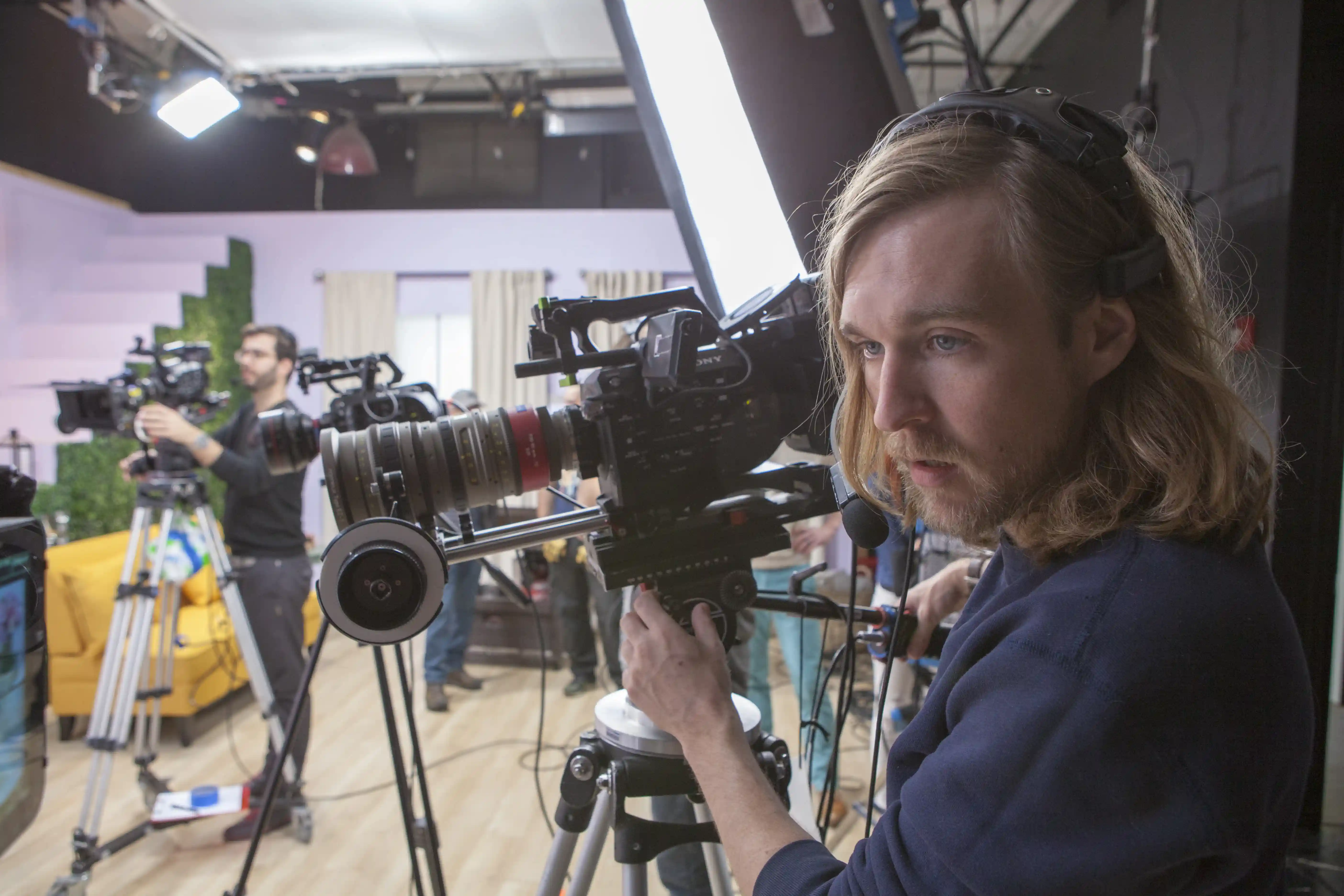
Boston video production crew checking the camera on a professional shoot
What moves the number

What drives the cost of a video

Almost every quote comes down to how much time, crew, and craft a project requires. These are the factors that push a video toward the low or high end of the range.

01 Strategy & pre-production

Message, scripting, storyboarding, casting, and planning. More strategy up front means a stronger video and more time before the shoot.

02 Crew size & shoot days

The single largest driver. A one-person half-day is a fraction of a multi-camera crew across several days.

03 Locations & travel

Each additional location adds setup, lighting, and travel time. A single controlled space is the most efficient.

04 On-camera talent

Using your own staff costs nothing extra; professional actors, hosts, or voiceover talent add fees and usage terms.

05 Studio vs. on-location

A studio keeps lighting and sound controlled and setups fast; travelling to multiple offices or venues takes longer.

06 Animation & motion graphics

Custom animation and motion design are craft-heavy and can add meaningfully to post, especially for explainers.

07 Post-production depth

Editing, color grading, sound mixing, and graphics. Heavier finishing and more revision rounds raise the total.

08 Live streaming & multi-camera

Streaming an event adds cameras, switching, audio, and technical crew on top of the base production.

09 Deliverables & versions

Social cutdowns, captions, aspect-ratio variants, and multiple languages multiply the finishing work from one shoot.

Ranges by format

What different types of video cost in Boston

General Greater Boston ranges for professionally produced video. Your actual quote depends on scope — use these to set expectations, not as fixed prices.

Type of videoTypical Boston rangeWhat drives it
Interview / talking-head / testimonial$3,000–$8,000Single location, half to full day, straightforward edit
Corporate brand or overview film$8,000–$25,000Strategy, scripting, multi-location shoot, polished post
Product or explainer with animation$5,000–$30,000Custom animation and motion graphics drive the range
Training / educational series$2,500–$10,000 eachPer-video cost drops when filmed in batches
Event coverage & recap$3,000–$12,000Single day of capture plus an edited highlight video
Live stream / multi-camera event$5,000–$30,000+Cameras, crew, event days, and streaming complexity
Commercial / broadcast spot$15,000–$75,000+Professional talent, higher production value, media usage rights

Freelance or single-service crews may quote below these ranges; national brand and broadcast work can run well above them. A full-service agency sits in the middle because strategy, production, and post are handled by one accountable team.

How pricing works

How a quote comes together

A reliable estimate is built from your goals and scope, not pulled from a rate card. Here is the path from first conversation to a firm number.

STEP 01

Discovery

Goals, audience, timeline, and where the video will be used.

STEP 02

Scope & approach

Creative direction, format, crew, shoot days, and deliverables.

STEP 03

Estimate

A fixed project estimate tied to that scope, itemized clearly.

STEP 04

Production

Pre-production, filming, live streaming, or event capture.

STEP 05

Post & delivery

Editing, graphics, revisions, and final files in every format you need.

Getting value

How to control cost without hurting quality

The biggest savings come from planning, not from cutting corners on the shoot. A few decisions make a real difference to the total.

  • Bring a clear brief. Defined goals and audience prevent expensive scope changes mid-project.
  • Capture more in one shoot. Film several videos or cutdowns while the crew and set are already in place.
  • Reuse and repurpose. Existing footage, b-roll, and graphics can reduce new filming.
  • Stay flexible on days and locations. Fewer setups and consolidated locations save crew time.
  • Use a studio for efficiency. Controlled lighting and sound mean faster, cleaner setups.
  • Fund what reaches the audience. Put budget where it moves viewers, not into scope for its own sake.
Go deeper

Where to go next

Once you have a working budget, these pages help you match a partner and format to your project.

FAQ

Video production cost questions, answered

How much does corporate video production cost in Boston?
Most professionally produced corporate videos in the Boston area cost between roughly $5,000 and $20,000 per finished video. Simple single-location pieces can start around $3,000 to $5,000, while multi-day shoots, brand films, and animation-heavy projects often run from $20,000 to $50,000 or more. The final number depends on scope: strategy, crew size, shoot days, locations, animation, and post-production all move the price.
How much does a two-minute corporate video cost?
Length is a weak predictor of price because most of the cost sits in planning, shoot days, and editing rather than runtime. A polished two-minute corporate video in Boston typically falls between about $6,000 and $20,000, depending on how many locations and shoot days it needs, whether it includes animation or motion graphics, and how much post-production finishing is involved.
What makes a video production more expensive?
The biggest cost drivers are the number of shoot days and crew size, the number of locations and any travel, professional on-camera talent, animation and motion graphics, and the complexity of post-production such as color, sound, and graphics. Live streaming and multi-camera event work, plus extra deliverables like social cutdowns, captions, and multiple language versions, also add to the total.
How much does live streaming or event video production cost in Boston?
Live streaming and multi-camera event production in the Boston area generally ranges from about $5,000 to $30,000 or more. The main factors are the number of cameras and crew, the number of event days, whether the stream is single-platform or multi-platform, and whether you need edited recap videos and content capture afterward.
Does Charles River Media charge a flat project rate or an hourly rate?
Like most full-service agencies, Charles River Media typically provides a fixed project estimate based on the scope of work rather than a simple hourly rate. That way the quote reflects the whole production, from strategy and filming through editing and delivery. The most accurate way to get a number is to share your goals, timeline, and deliverables and request a tailored estimate.
How can I reduce video production costs without hurting quality?
The most effective savings come from planning. Come with a clear brief and goals, capture multiple deliverables in a single shoot, reuse and repurpose existing footage, stay flexible on shoot days and locations, and use a studio to keep setups efficient. Focusing the budget on what actually reaches your audience, rather than adding scope for its own sake, keeps quality high while controlling cost.

Contact Us

Email

Phone

617.467.5540

Studio

Charles River Media Inc.
73 TV Place
Needham Heights, MA 02494

Subscribe to Our Newsletter